FACT
@fact5
Science Gone Wrong
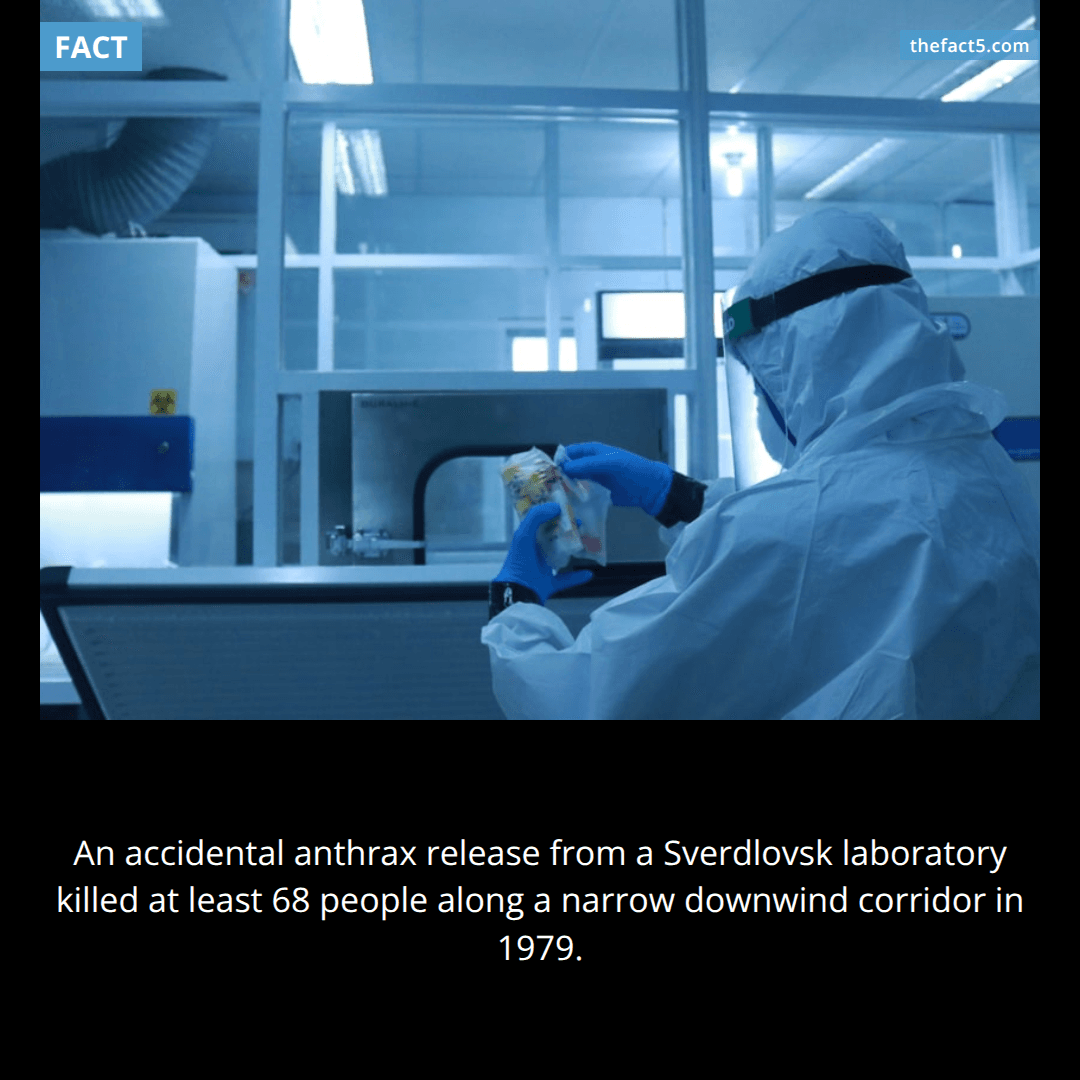
One missing filter helped kill at least 68 people. ☣️
FACT
@fact5
Science Gone Wrong
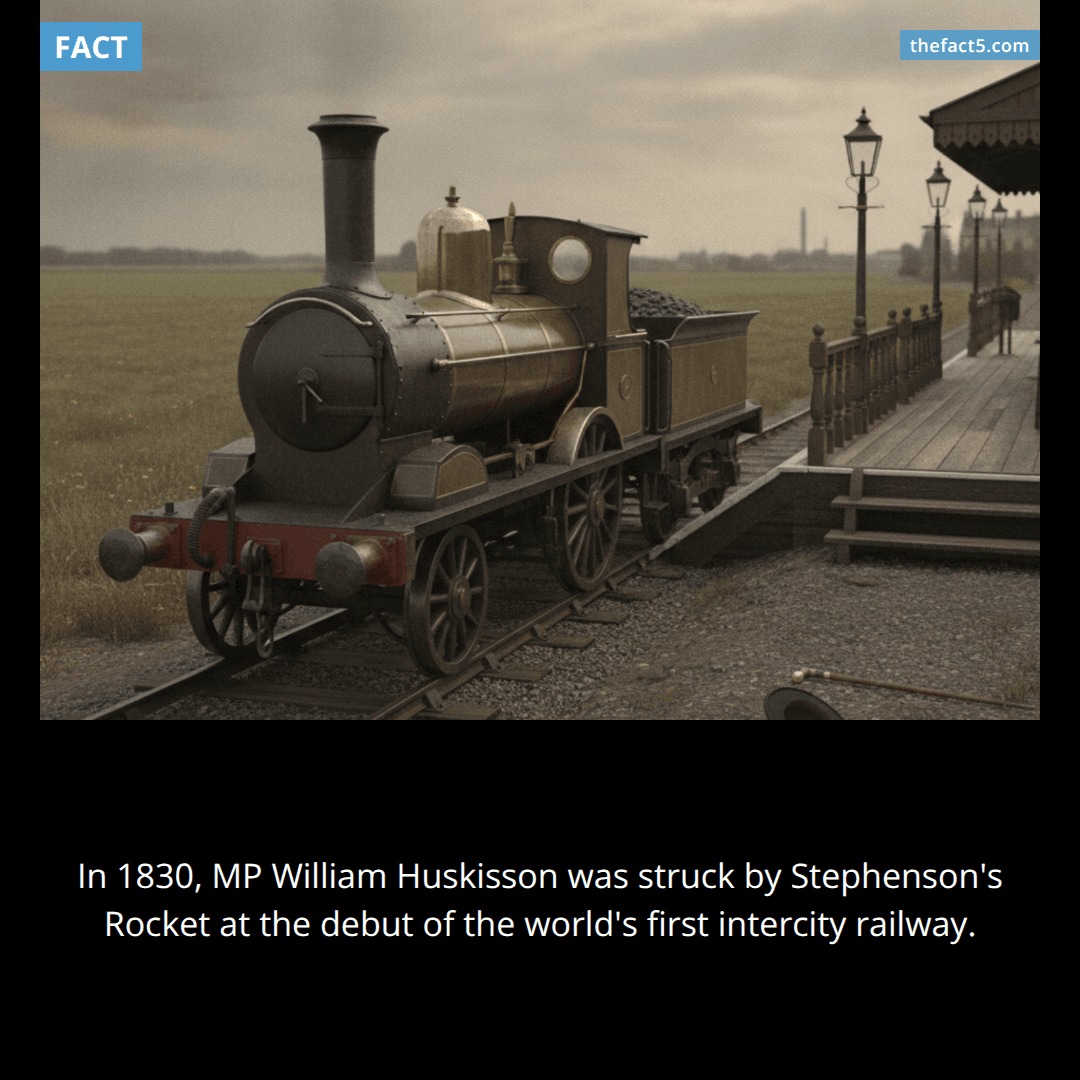
On September 15, 1830, MP William Huskisson became one of the first widely reported railway fatalities when he was struck by Stephenson's Rocket at the opening of the Liverpool and Manchester Railway, dying that evening after his leg was crushed.
FACT
@fact5
Science Gone Wrong
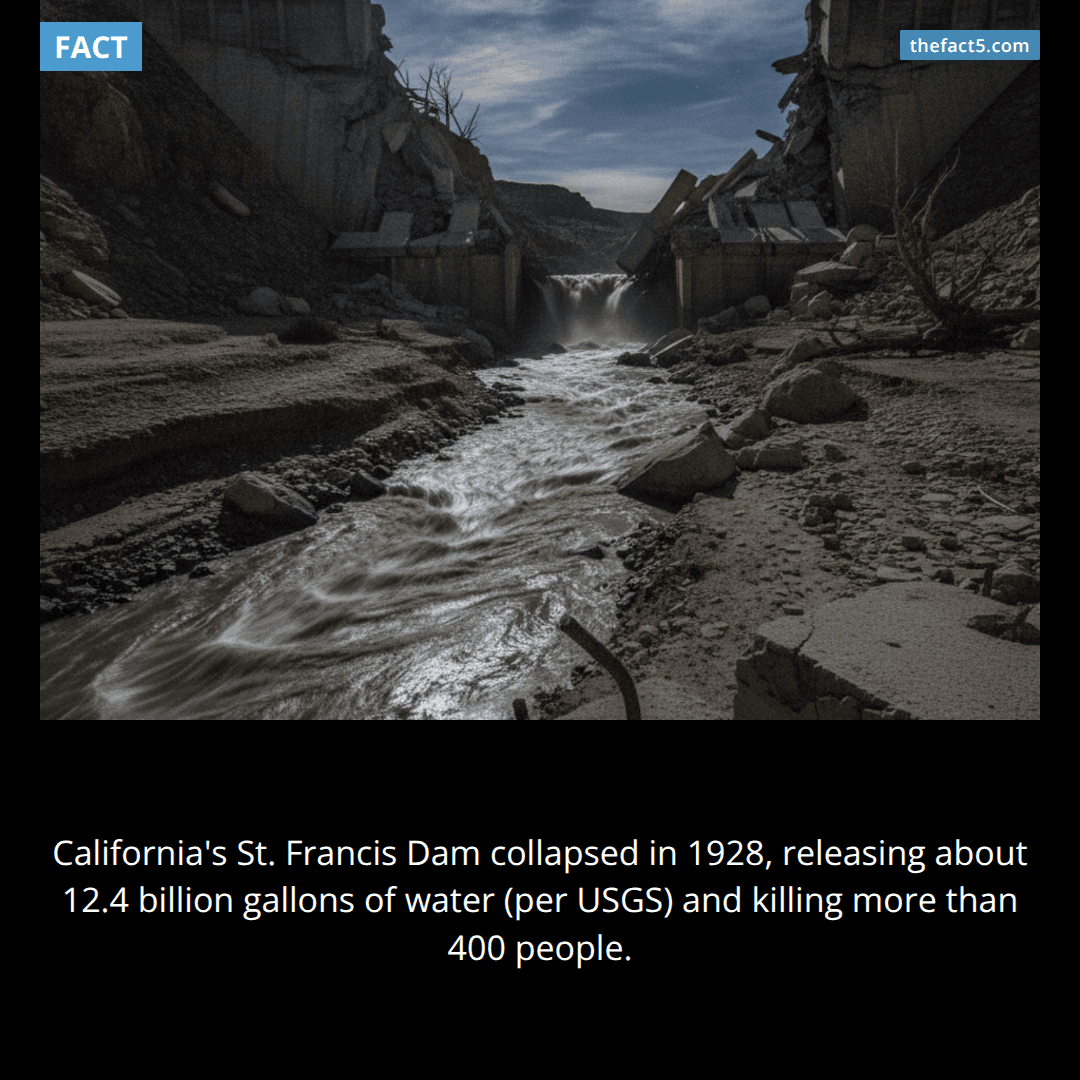
One dam unleashed 12.4 billion gallons before midnight. 🌊

FACT
@fact5
Science Gone Wrong
A 42-mph wind made this bridge tear itself apart. 🌉
FACT
@fact5
Dark History
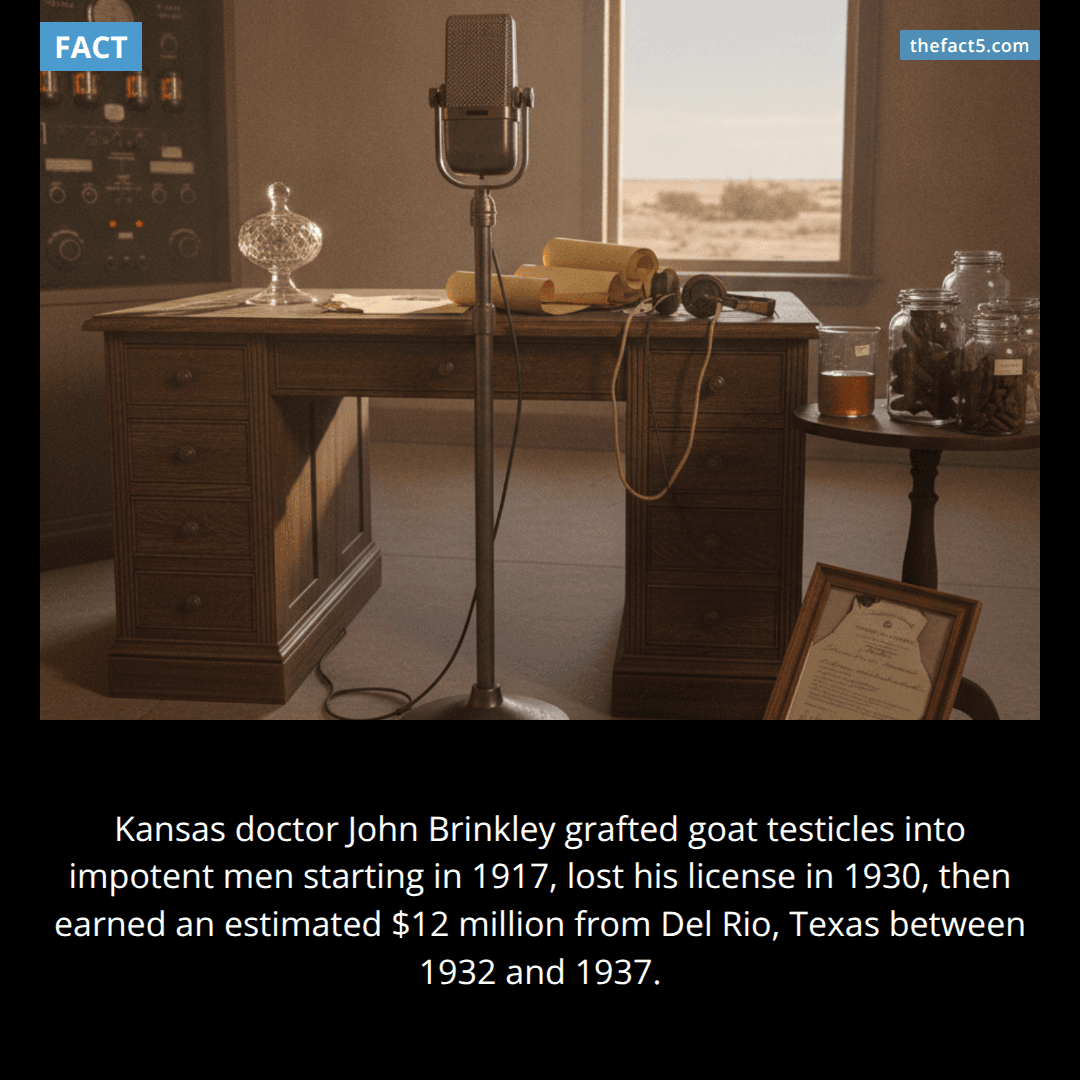
A man made $12 million sewing goat testicles into humans. 🐐

FACT
@fact5
Creepy Discoveries
The Fake in the Cathedral
FACT
@fact5
Ironic Twists
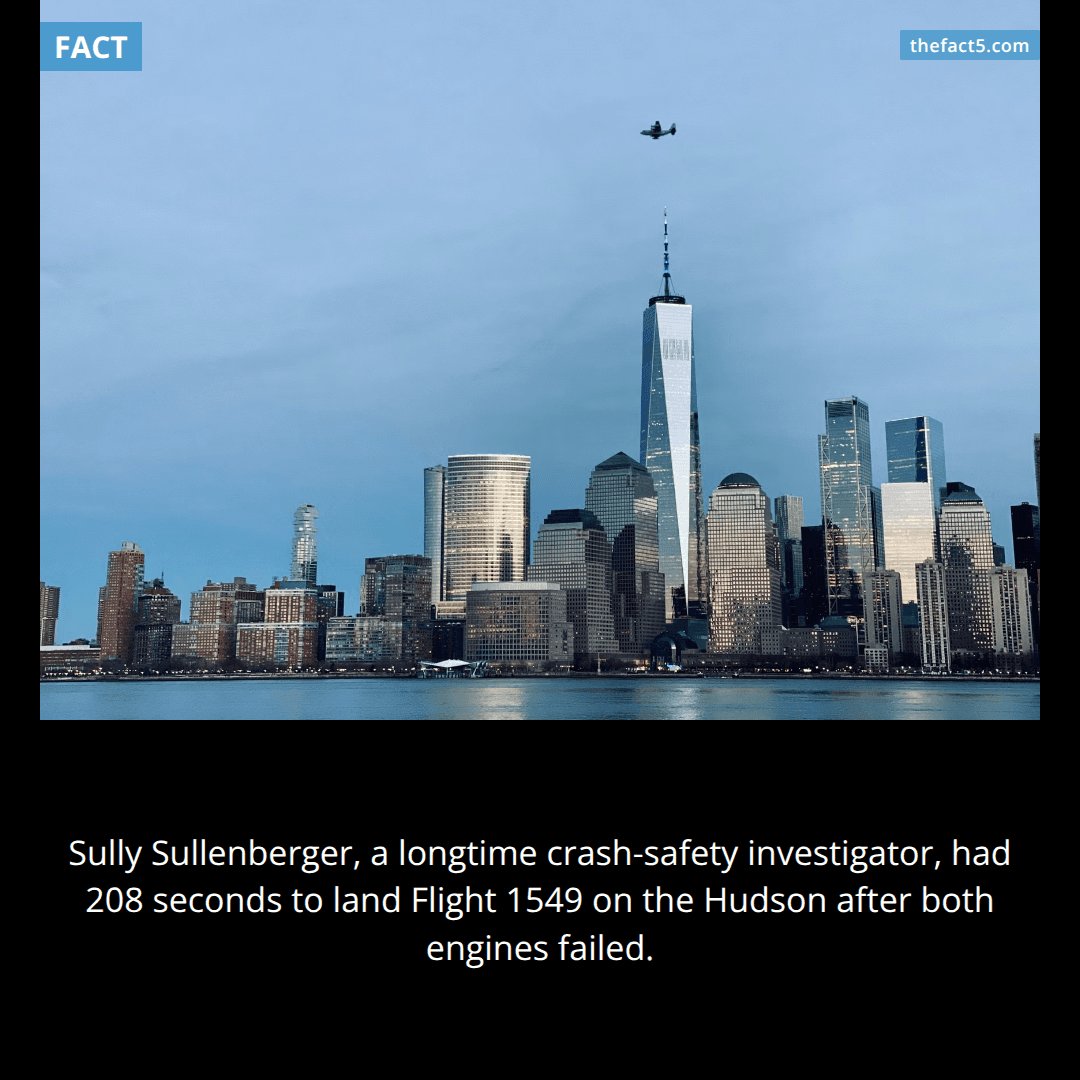
He spent 30 years studying plane crashes. Then he flew into one. ✈️
FACT
@fact5
Creepy Discoveries
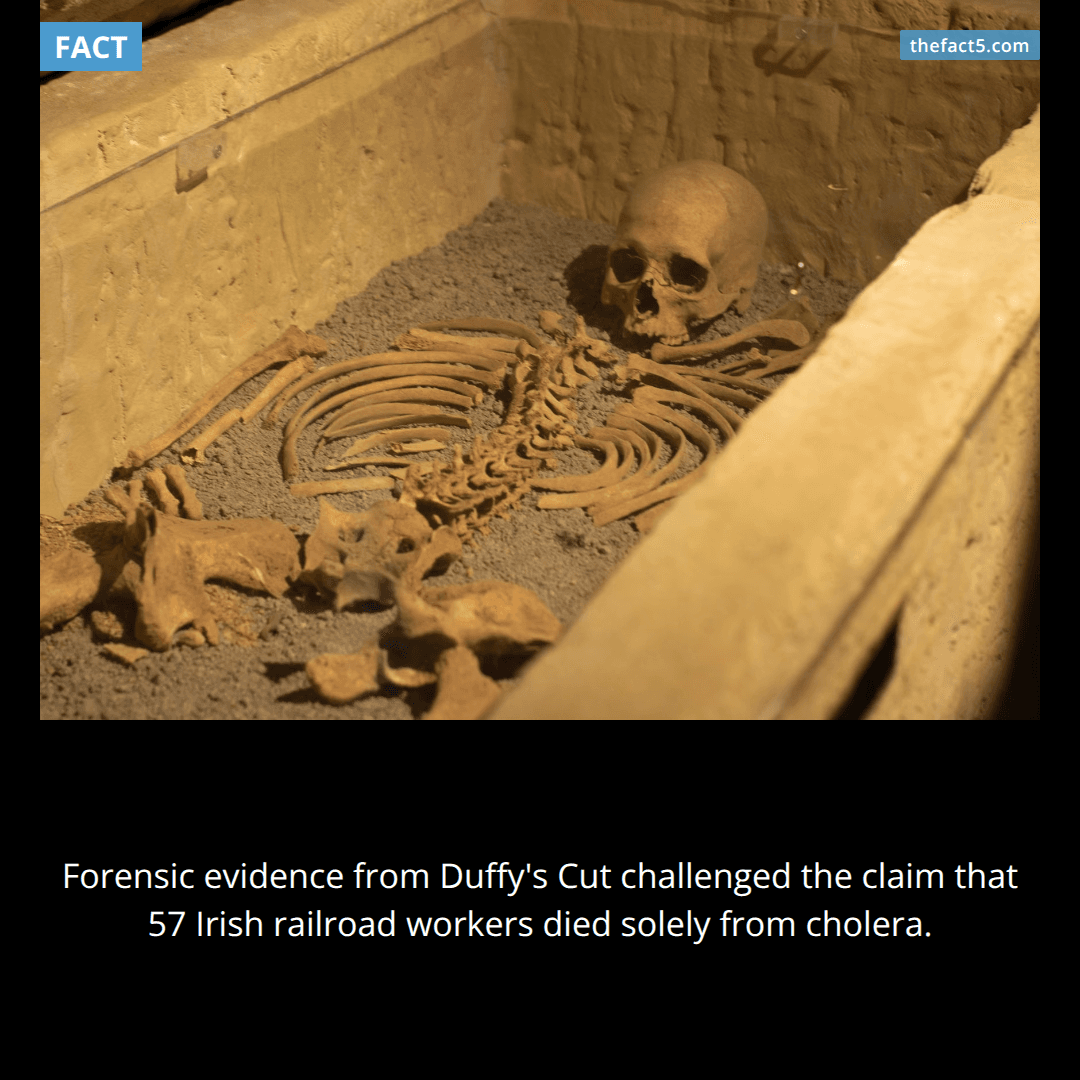
A railroad grave exposed an 1832 story that did not fit. 💀
FACT
@fact5
Creepy Discoveries
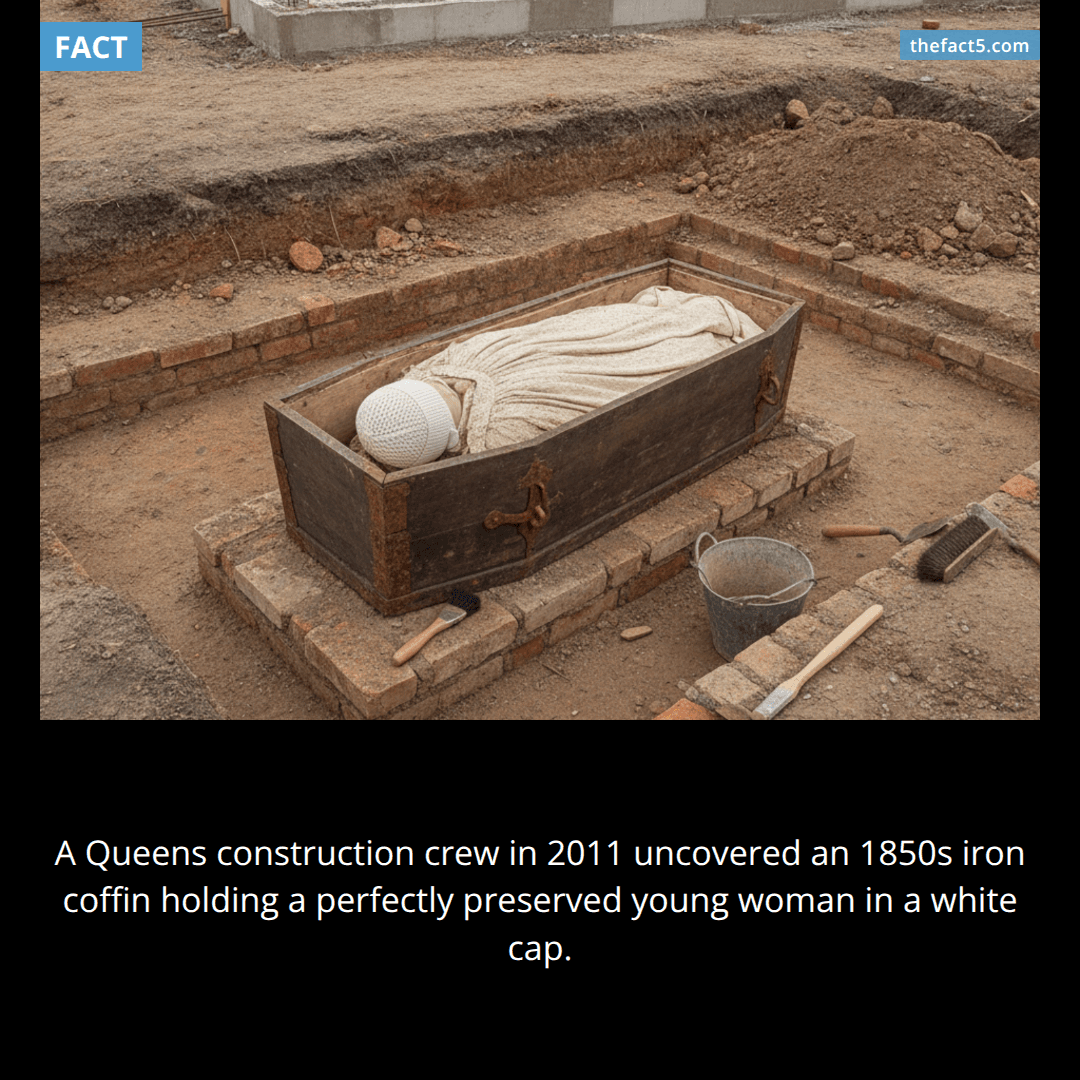
The Woman in the White Cap
FACT
@fact5
Animal Oddities
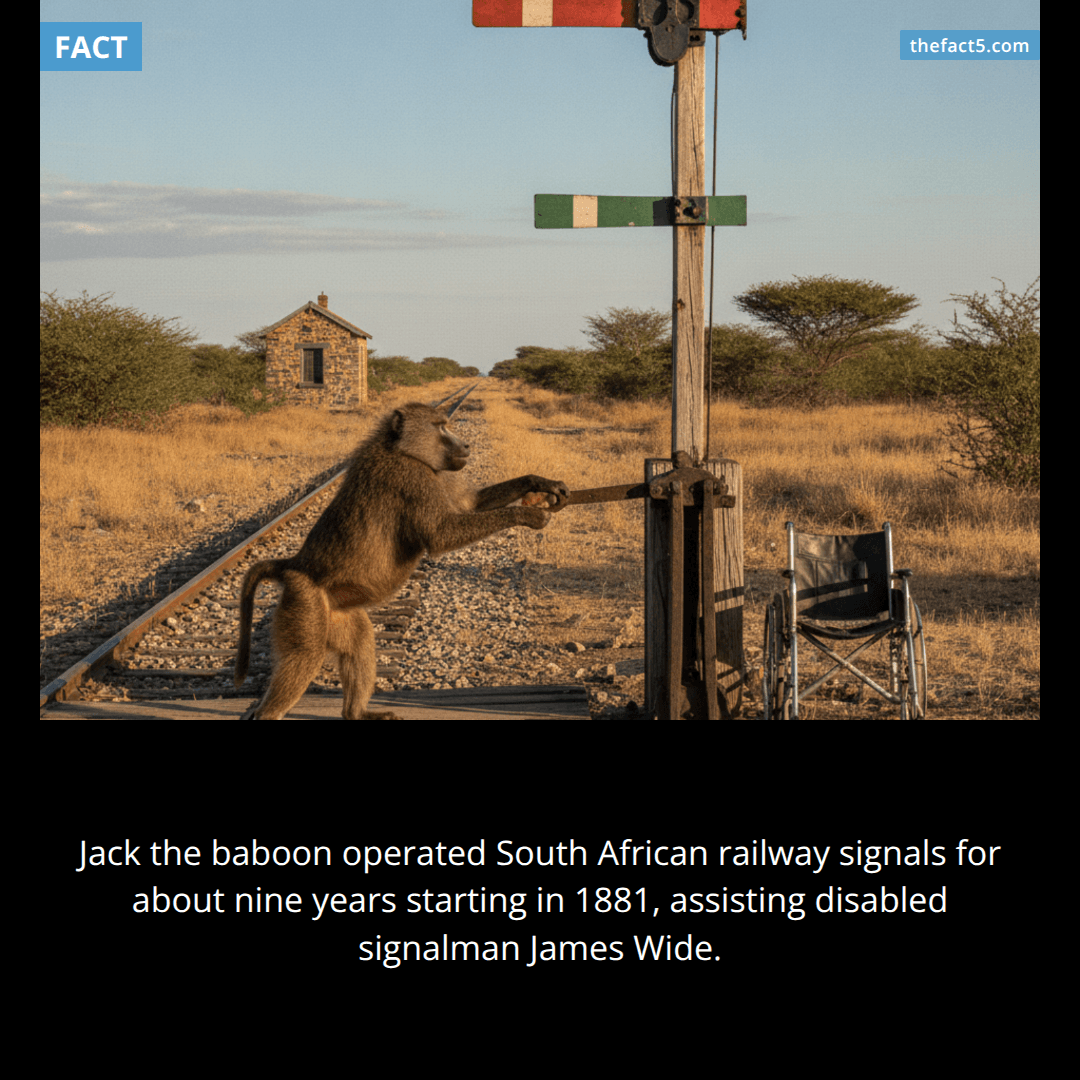
Jack ran railway signals for nine years without one mistake. 🚂

FACT
@fact5
Animal Oddities
A service-dog dropout became the world's only surf therapist. 🏄♀️
FACT
@fact5
Dark History
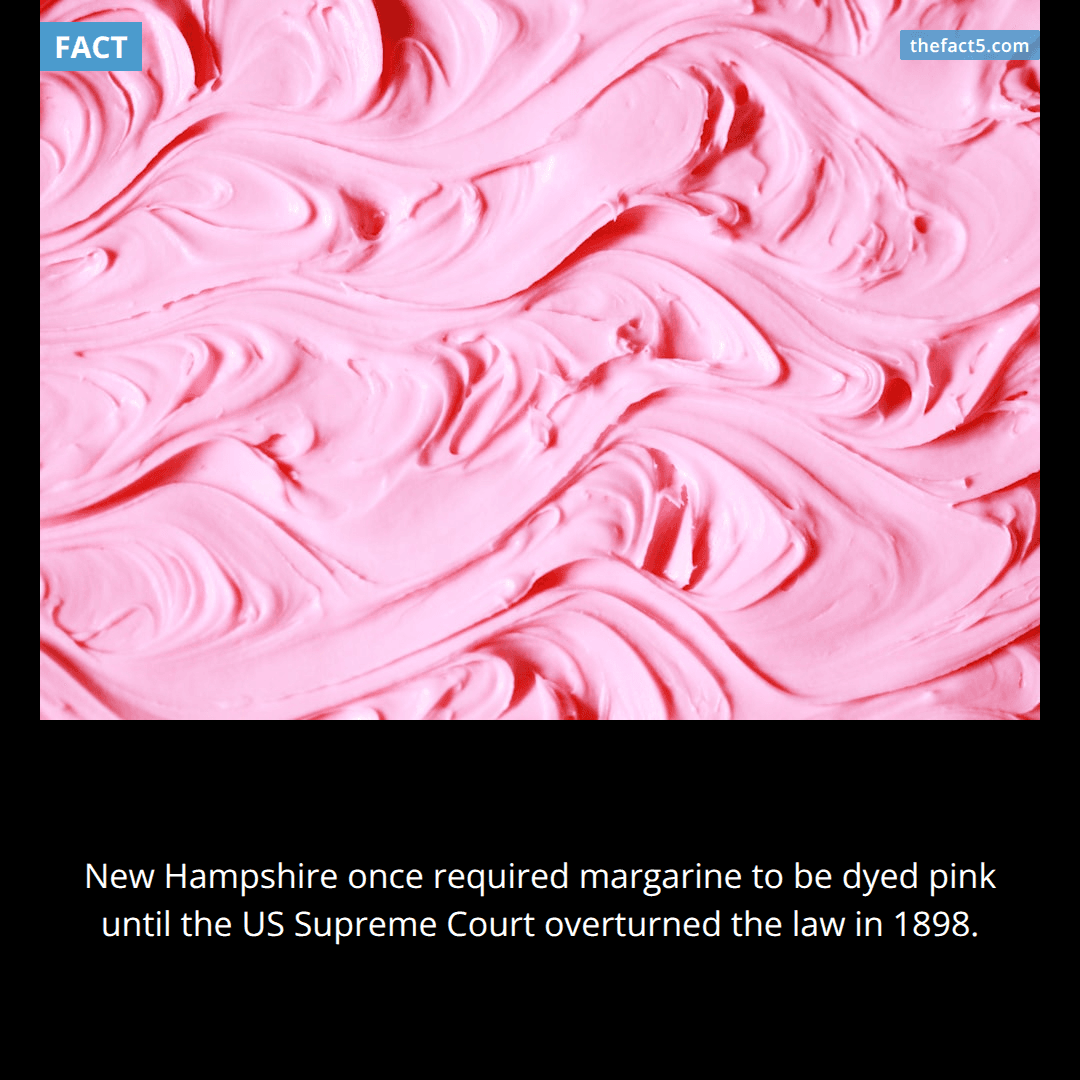
Margarine was legally forced to look pink. 🧈
